
American House Spider
American House Spider (Parasteatoda tepidariorum)
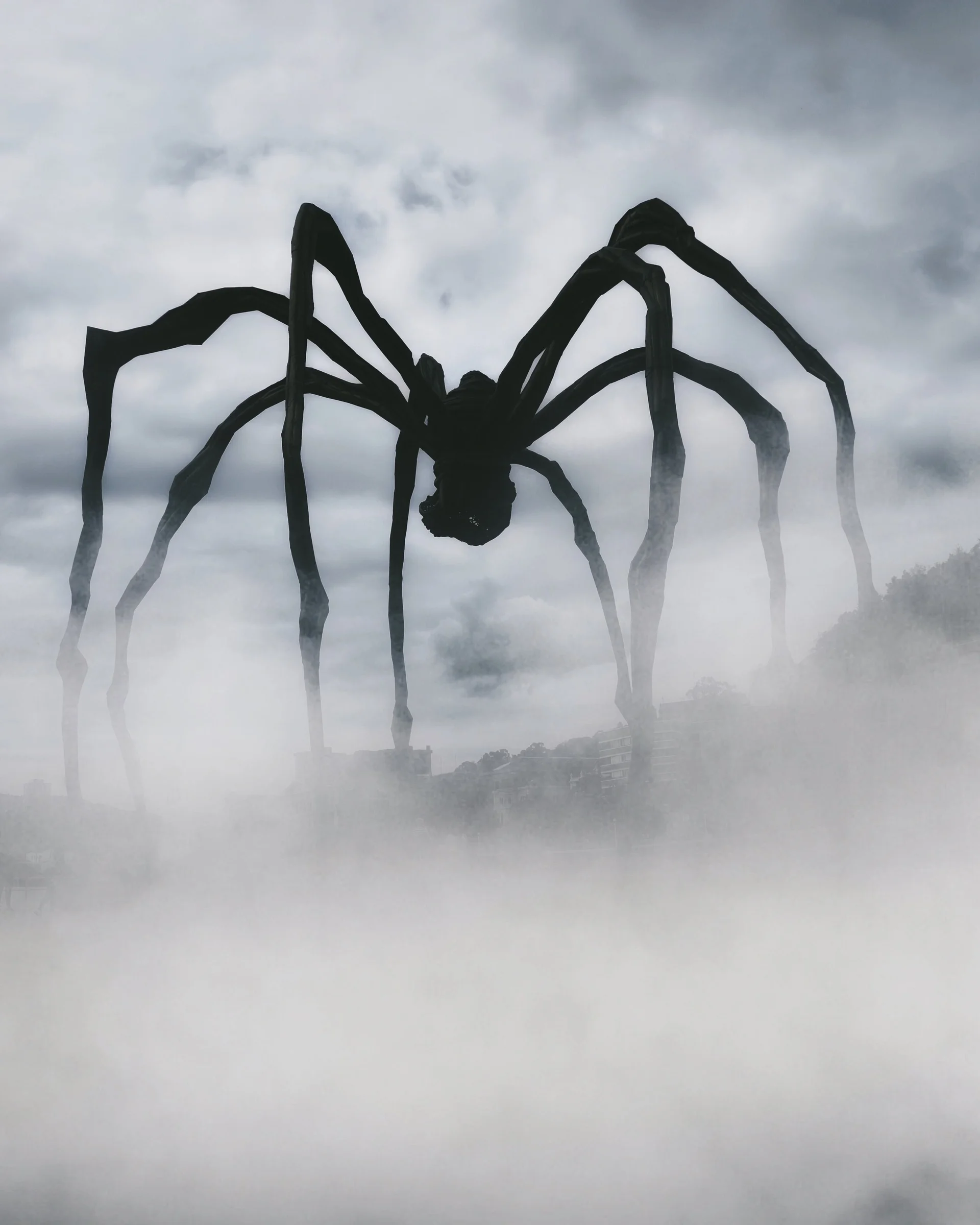
The American House Spider, scientifically known as Parasteatoda tepidariorum, is a common spider found in residential and office spaces. They often cause anxiety and discomfort for homeowners who dislike having bugs indoors. This comprehensive guide will give you an overview of the American House Spider, its appearance, habitat, entry points, control, safety, prevention, removal, and potential damage.
Keep your home or office spider-free by implementing the prevention and removal techniques mentioned above. If you're struggling with a significant American House Spider problem, don't hesitate to contact a professional pest control service for expert assistance.
Take control of your home and keep it spider-free! Contact us today for reliable, safe, and efficient American House Spider prevention and removal services.
-
Common Spiders Found in the United States of America:
- Black Widow Spider
- Brown Recluse Spider
- Wolf Spider
- Jumping Spider
- Orb Weaver Spider
- Yellow Sac Spider
- Daddy Long Legs
- Funnel Weaver Spider
- Hobo Spider
-
To prevent and remove the American House Spider from your home:
- Use sticky traps or glue boards to catch them
- Utilize natural or commercial repellants, such as essential oils or pesticide sprays
- Enlist a professional exterminator if the infestation becomes too large to handle
-
To control the American House Spider in your home, follow these steps:
- Practice proper sanitation and cleaning techniques to reduce their food source (other bugs)
- Regularly vacuum and dust to remove webbing and potential prey
- Seal gaps and cracks in your home's structure to prevent entry
- Monitor for any visible infestations and address them as soon as possible
-
Although American House Spiders are mostly harmless, they can cause the following issues:
- Produce unsightly and annoying webs in your home or office
- Cause fear and anxiety for those with a phobia of spiders
- In rare cases, bite humans causing mild irritation and itching
-
Common House spiders may enter homes and offices through:
- Cracks and gaps in windows, doors, and walls
- Vents and air conditioning ducts
- Pipes, faucets, and other utility openings
- Storage items like boxes or bags moved from the outdoors or garages
-
Common House Spider Habitat:
- They are common in North America and can be found in dark, secluded areas of homes and offices
- They prefer corners, crevices, and other hard-to-reach places, making them difficult to detect
-
The American House Spider is:
- Small to medium-sized, ranging from 3-10 mm in length
- Brown or grey in color with mottled or chevron-like markings
- Has eight legs with a slightly rounded abdomen