
Hornet Control & Removal in Dallas, TX
Most Of The Time You See Them Too Late
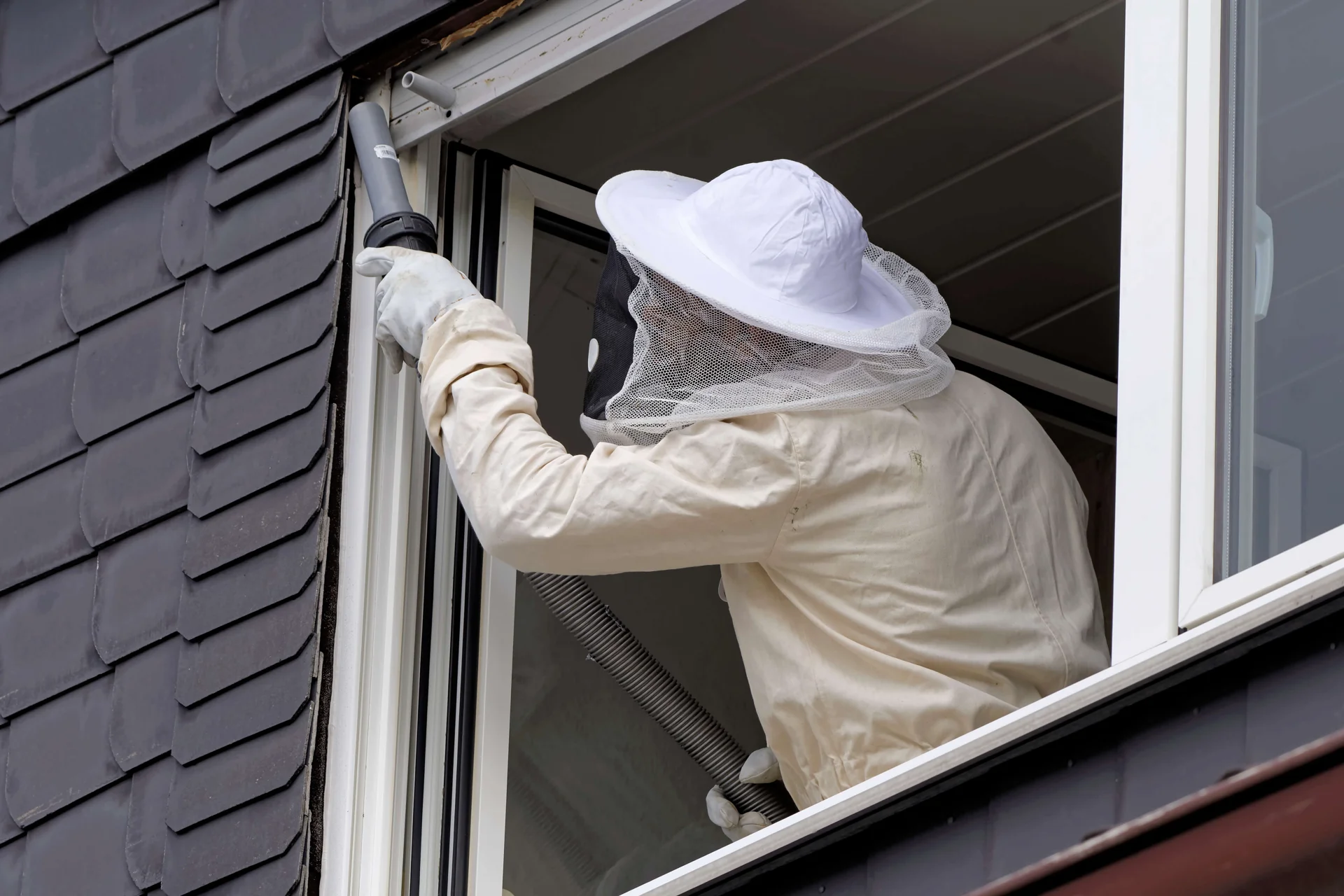
Not Your Typical Do It Yourself Activity. Be Careful.
You have probably heard the stories of the giant Asian hornets making their way to America. While the headlines may scare you, the hornets you have around your home are not those. However, hornets are a stinging pest that should be taken seriously when you see a hive nearby. The sting of a hornet can potentially be deadly if you have a severe allergy to their sting. At the very least, the sting of a hornet HURTS! You do not want to be stung by a hornet so you need to arm yourself with some information.
-
Prevention And Removal Of Hornets
The best way to eliminate the threat of hornets near your home is to prevent them from coming. Be alert. Keep an eye on your house and notice any hornet activity under the eaves of your home. Do you see a hornet entering a weep hole? Check it out. If, though, you find a hornet hive, you will want to contact your hornet control professional. He will know exactly what to do to remove the hornet hive, interrupt the hornet’s life cycle, and to prevent those hornets from returning. You and your family deserve the peace of mind that a hornet control professional can give you.
-
Hornet Control and Safety
It is important that our home be a safe place. We want to protect our families and ourselves by keeping all dangers away. This includes keeping hornets away. We need the peace of mind that when we walk to our mailbox, kids play in the yard, neighbors come for a visit, and no hornet is going to attack. We need that control in our lives.
-
Can Hornets Cause Damage?Let’s face it, the fear we all have of a hornet is its sting. Hornets are not typically aggressive unless they feel threatened. Just walking too close to a hive is enough to invoke an aggressive response from the hornets inside the hive. Hornets are very protective of their hive. You will be considered a threat if you walk as close as six feet to their hive. An aggressive hornet has one goal in mind and that is to protect its hive. If you are the hornet’s target, he will attack with full force by stinging you with everything he has. Because a hornet is so large, he injects a lot of venom with his sting. A hornet sting HURTS! If you are not allergic to the venom, this is likely the only pain you will feel. If you are, then you will feel the burning continue. You may get whelps. The area may blister. If you are really allergic, you could have an anaphylaxis response and need immediate medical attention. Since a hornet is in the wasp family, if you are allergic to wasps, chances are that you are allergic to hornet stings as well. You want to avoid the wrath of a hornet. So, you will want to have any hornet hive you find in or near your home removed by a hornet control professional.
-
How Hornets Find Entry Into Homes And BusinessesHornets will not want to build their hive inside your living room or even your bedroom. Hornets are more likely to enter your home looking for food. Hornets eat other pests and especially like bees. Hornets also feast on sweets so any soda left out is a potential draw for a hornet. Hornets will be happy to build a hive in your attic, under your eave, or in a tree near your front door. Hornets will enter your home through an open door. Hornets can enter through any opening in your home. Hornets can even enter through a weep hole in your hour brick. A hive in your attic can go unnoticed for such a long period that the hive can become newsworthy. You do not want that to happen to you.
-
Where Can You Find Hornets?
Hornets are social insects and live together in hives they make from chewing up tree bark and making a sort of paper hive. The hives are usually in high areas such as
- Tree
- Under eaves
- Decking
- Sheds
- Garages
- Attics
- Hollow tree trunks
While hornet hives are mostly found in high areas, they have also been known to build their hives inside the burrow of an animal. These hornet hives might be found in areas such as
- Gardens
- Parks
- Fields
The life cycle of a hornet is only a few months and usually only the queen survives the winter. The queen hornet will find shelter under a leaf or even in your home until spring when she can start reproducing and rebuilding her hive.
-
What do hornets look like?
There are only about 20 different species of hornets across the globe with most living in Asia. The hornets you have seen around your home are most likely European hornets. Here are some ways to identify a European hornet.
- Brown with yellow-orange stripes
- Typically grow one to one and a half inches long
- Thick midsection